Dental Bridges in Port Coquitlam

Dental Bridges in Port Coquitlam

Restore Your Smile with a Natural-Looking Tooth Replacement

Missing teeth can affect more than the appearance of your smile. They can make it difficult to chew comfortably, alter the way you speak, and cause the surrounding teeth to shift out of position over time. Replacing missing teeth promptly helps restore oral function, maintain proper alignment, and support your long-term dental health.

At PoCo Dental Group, we provide custom dental bridges that are designed to replace one or more missing teeth while blending naturally with your smile. Every bridge is carefully crafted to provide a comfortable fit, restore everyday function, and improve the appearance of your teeth.
What Is a Dental Bridge?

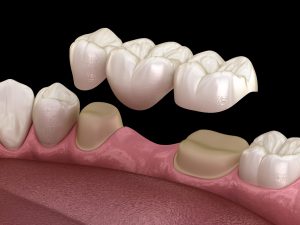
A dental bridge is a fixed dental restoration used to replace one or more missing teeth. It consists of one or more artificial teeth, known as pontics, which are supported by the healthy teeth or dental implants on either side of the gap.

Unlike removable dentures, a dental bridge remains securely in place, providing a stable and comfortable solution for restoring your smile. Modern dental bridges are designed to closely match the colour, shape, and size of your natural teeth, creating a seamless appearance.

Benefits of a Dental Bridge

Replacing missing teeth with a dental bridge offers several functional and aesthetic benefits, including:

  • Restores your ability to chew comfortably.
  • Improves speech affected by missing teeth.
  • Prevents neighbouring teeth from shifting.
  • Maintains proper bite alignment.
  • Restores the appearance of your smile.
  • Distributes biting forces more evenly.
  • Supports long-term oral health.
  • Provides a fixed, non-removable tooth replacement option.

Your dentist will recommend the most appropriate treatment based on your individual oral health needs.

The Different Types of Dental Bridges

Several types of dental bridges are available depending on the location of the missing tooth and the condition of the surrounding teeth.

Traditional Dental Bridges

A traditional bridge is supported by dental crowns placed on the natural teeth located on either side of the missing tooth. This is the most commonly recommended type of dental bridge when healthy supporting teeth are available.

Implant-Supported Bridges

When multiple teeth are missing, dental implants may be used to support the bridge instead of natural teeth. Implant-supported bridges provide excellent stability while helping preserve the underlying jawbone.

Cantilever Bridges

A cantilever bridge may be recommended when only one adjacent tooth is available for support. Although less common, it can be an effective solution in carefully selected cases.

During your consultation, your dentist will explain which option is most suitable for your smile.

Who Is a Candidate for a Dental Bridge?

A dental bridge may be recommended if you:

  • Are missing one or more teeth.
  • Have healthy neighbouring teeth that can support a bridge.
  • Want a fixed alternative to a removable denture.
  • Wish to improve chewing function and speech.
  • Want to restore the appearance of your smile.

A comprehensive dental examination is necessary to determine whether a bridge is the most appropriate treatment option.

What to Expect During Treatment

Dental bridge treatment typically requires two or more appointments.

During your first visit, your dentist will examine your teeth, evaluate your oral health, and prepare the supporting teeth if necessary. Digital impressions or scans are then taken to create a custom bridge that fits comfortably and matches your natural smile. A temporary bridge may be placed to protect the prepared teeth while your permanent restoration is being fabricated.

Once your custom bridge is ready, you will return for a second appointment. Your dentist will carefully check the fit, bite, and appearance before securely bonding the bridge into place. Minor adjustments may be made to ensure optimal comfort and function.

Caring for Your Dental Bridge

A dental bridge can provide many years of reliable function with proper care. Maintaining good oral hygiene is essential for protecting both the bridge and the supporting teeth.

To help extend the life of your bridge:

  • Brush your teeth twice each day.
  • Clean beneath the bridge using floss threaders or specialized cleaning aids.
  • Attend regular dental examinations and professional cleanings.
  • Avoid chewing excessively hard objects such as ice or hard candies.
  • Follow your dentist’s recommendations for long-term maintenance.

Regular dental visits allow your dentist to monitor the condition of your bridge and identify any concerns early.

Why Choose PoCo Dental Group?

At PoCo Dental Group, we understand that replacing missing teeth is an important investment in your oral health and confidence. Our team takes the time to understand your concerns, explain your treatment options, and create a personalized plan that meets your individual needs.

Using high-quality materials and modern dental techniques, we design bridges that are both functional and natural in appearance. Throughout your treatment, we focus on patient comfort, clear communication, and long-term results that support a healthy smile.

FAQ's

A dental bridge is a fixed dental restoration used to replace one or more missing teeth. It fills the gap left by missing teeth using one or more artificial teeth that are supported by adjacent natural teeth or dental implants.

With proper care and regular dental checkups, a dental bridge can last 10 to 15 years or longer. Maintaining good oral hygiene and attending routine dental visits can help extend its lifespan.

The procedure is generally comfortable because the area is numbed with a local anesthetic before treatment begins. Some mild sensitivity may occur after the supporting teeth are prepared, but it usually resolves within a few days.

Most dental bridges require two appointments. During the first visit, the supporting teeth are prepared, and impressions or digital scans are taken. The second appointment involves fitting and permanently placing the custom bridge.

Yes. After a short adjustment period, most patients can return to eating their usual foods. It is recommended to avoid very hard or sticky foods initially and follow your dentist’s advice for long-term care.

A dental bridge should be brushed twice daily, just like your natural teeth. It is also important to clean underneath the bridge using floss threaders, interdental brushes, or other cleaning aids recommended by your dentist to help prevent plaque buildup.

You may be a good candidate if you are missing one or more teeth and have healthy neighbouring teeth or dental implants that can support the bridge. Your dentist will determine the most suitable treatment after a comprehensive examination.

A dental bridge replaces missing teeth by using neighbouring teeth or implants for support, while a dental implant replaces both the tooth root and the visible tooth. The most appropriate option depends on your oral health, the number of missing teeth, and your treatment goals.