
Missing teeth can affect more than just your smile. They can make it harder to eat comfortably, speak clearly, and feel confident in social situations. Fortunately, modern dentistry offers several tooth replacement options, and dental implants are widely considered one of the most effective and long-lasting solutions available.
If you’re considering dental implants, you may have an important question on your mind: Are dental implants safe?
The short answer is yes. Dental implants have been used successfully for decades and are considered a safe, predictable, and highly successful treatment for replacing missing teeth. However, like any dental or medical procedure, understanding the benefits, risks, and factors that contribute to success can help you make an informed decision.
Here, we’ll explain everything you need to know about dental implant safety, including how implants work, their success rates, potential risks, and how to ensure the best possible outcome.
What Are Dental Implants?
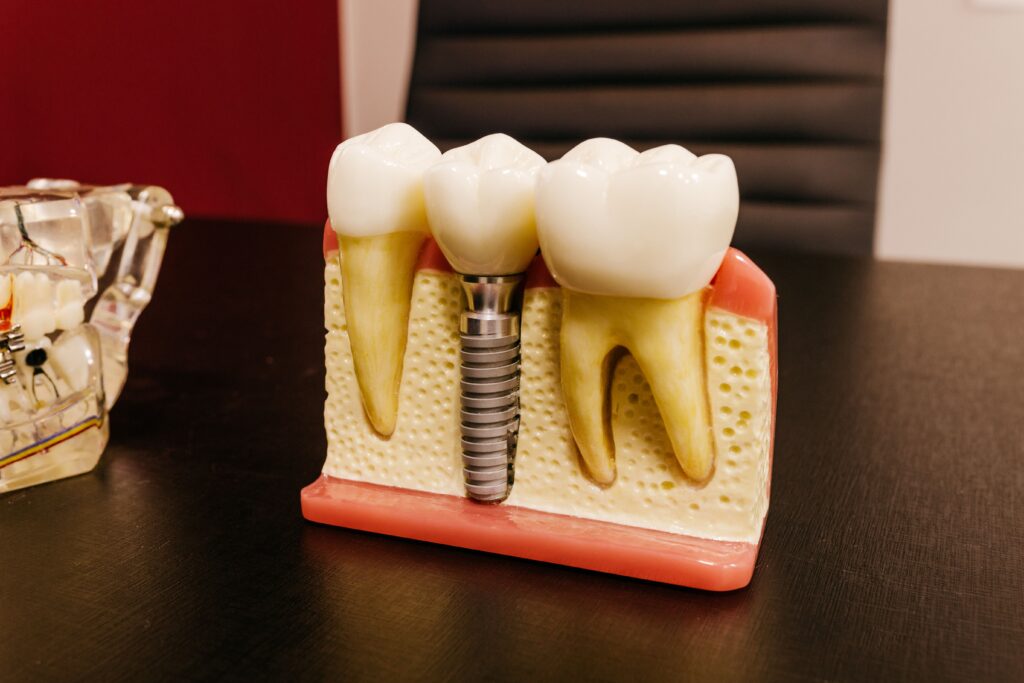
Dental implants are artificial tooth roots designed to replace missing teeth. They are typically made from biocompatible titanium, a material that is well accepted by the human body.
A dental implant consists of three main parts:
- The implant post, which is surgically placed into the jawbone
- The abutment, which connects the implant to the replacement tooth
- The crown, bridge, or denture that restores the appearance and function of the missing tooth
Once the implant is placed, the surrounding bone gradually fuses with the titanium post through a process called osseointegration. This creates a strong and stable foundation for the replacement tooth.
Are Dental Implants Safe?
Yes, dental implants are considered one of the safest and most successful procedures in modern dentistry. Extensive research and decades of clinical use have demonstrated their reliability and long-term effectiveness.
Dental implants have become the preferred solution for replacing missing teeth because they closely mimic the function of natural tooth roots while helping preserve jawbone health.
When performed by an experienced dental professional and supported by proper oral care, dental implants can provide safe and predictable results for many years.
Several factors support the safety of dental implants:
- Biocompatible materials that are well-tolerated by the body
- High success rates across a wide range of patients
- Long-term clinical research supporting their effectiveness
- Advanced treatment planning and diagnostic technology
- Continuous improvements in implant techniques and materials
For most healthy adults, dental implants are a safe and effective treatment option.
What Is the Success Rate of Dental Implants?
One reason dental implants are so popular is their impressive success rate.
Studies consistently show success rates of approximately 95% to 98% when implants are properly placed and maintained. Many patients enjoy successful implant function for decades.
Several factors contribute to implant success, including:
- Good oral hygiene habits
- Healthy gums and jawbone
- Proper treatment planning
- Avoidance of tobacco products
- Regular dental checkups
- Following post-operative instructions
The location of the implant can also influence success rates. Implants placed in the lower jaw often have slightly higher success rates because the bone tends to be denser and more stable.
Why Are Dental Implants Considered Safe?
Dental implants are considered safe because they have been extensively studied and refined over many years.
Biocompatible Materials
Titanium has been used in medical and dental applications for decades. It is highly biocompatible, meaning the body generally accepts it without adverse reactions.
The material integrates naturally with the surrounding bone, creating a secure foundation for replacement teeth.
Advanced Technology
Modern dentistry uses sophisticated imaging technologies such as digital X-rays and 3D scans to plan implant treatment with exceptional precision.
These tools help dentists evaluate bone quality, identify anatomical structures, and develop personalized treatment plans.
Predictable Outcomes
Because dental implants have been widely used and studied, dentists have a thorough understanding of the factors that contribute to successful outcomes.
This allows for highly predictable treatment results in appropriately selected patients.
Are There Any Risks Associated With Dental Implants?
Although dental implants are generally safe, no procedure is completely free of risk.
Understanding potential complications can help patients make informed decisions and recognize the importance of proper aftercare.
Infection
As with any surgical procedure, infection can occur if bacteria enter the treatment area.
Fortunately, infections are relatively uncommon and can often be prevented through proper oral hygiene and following post-treatment instructions.
Implant Failure
In some cases, an implant may fail to integrate with the jawbone.
This can happen due to factors such as:
- Smoking
- Poor bone quality
- Uncontrolled diabetes
- Gum disease
- Excessive pressure on the implant
Even if an implant fails, many patients can still receive successful replacement treatment after appropriate healing.
Nerve Damage
Although rare, improper implant placement may affect nearby nerves, resulting in numbness or tingling.
Careful planning and advanced imaging significantly reduce this risk.
Sinus Complications
For implants placed in the upper jaw, there is a small risk of sinus-related complications if the implant extends into the sinus cavity.
Experienced implant dentists use detailed imaging to minimize this possibility.
Also Read: Is Extraction of Wisdom Teeth Painful?
Who Is a Good Candidate for Dental Implants?
Many adults with missing teeth are good candidates for dental implants.
Ideal candidates generally have:
- Healthy gums
- Sufficient jawbone density
- Good overall health
- Commitment to oral hygiene
- Realistic treatment expectations
Age alone is not typically a barrier. Many older adults successfully receive dental implants and enjoy improved quality of life.
However, certain health conditions may require additional evaluation before treatment.
Are Dental Implants Safe for Seniors?
Yes. Dental implants can be a safe and effective option for seniors.
In fact, many older adults choose implants because they provide greater stability and comfort compared to traditional dentures.
Benefits for seniors may include:
- Improved chewing ability
- Better speech
- Increased confidence
- Enhanced comfort
- Reduced bone loss
The most important consideration is overall health rather than age.
A thorough evaluation can help determine whether implants are appropriate for each individual’s situation.
Can Dental Implants Cause Health Problems?
Many patients worry about whether dental implants can negatively affect their health.
Current evidence indicates that dental implants are generally safe and do not cause systemic health problems when properly placed and maintained.
Because titanium is highly biocompatible, serious reactions are extremely rare.
Most implant-related complications are localized and can often be addressed with timely treatment.
Regular dental visits help ensure that any issues are identified and managed early.
How Long Do Dental Implants Last?
One of the greatest advantages of dental implants is their longevity.
With proper care, dental implants can last 20 years or longer. Many patients enjoy successful implant function for the rest of their lives.
The crown attached to the implant may eventually require replacement due to normal wear, but the implant itself can remain stable for decades.
Factors that influence longevity include:
- Oral hygiene habits
- Regular dental care
- Lifestyle choices
- Overall health
- Bite forces and grinding habits
How Can You Improve the Success of Your Dental Implants?
Patients play an important role in maintaining implant health.
Practice Excellent Oral Hygiene
Brush twice daily and floss regularly to remove plaque and bacteria around the implant.
Attend Regular Dental Visits
Routine examinations allow your dentist to monitor implant health and identify potential concerns early.
Avoid Smoking
Smoking significantly increases the risk of implant failure and complications.
Follow Post-Operative Instructions
After surgery, carefully follow your dentist’s recommendations regarding diet, medications, and oral hygiene.
Manage Medical Conditions
Conditions such as diabetes should be properly controlled to support healing and long-term implant success.
Are Dental Implants Worth It?
For many patients, the answer is yes.
Dental implants offer several advantages compared to other tooth replacement options:
- Natural appearance
- Strong chewing function
- Long-term durability
- Bone preservation
- Improved comfort
- Enhanced confidence
- Stability without relying on adjacent teeth
While implants may require a larger initial investment than some alternatives, their longevity and benefits often make them a worthwhile long-term solution.
Restore Your Smile With Confidence at PoCo Dental Group
If you’re wondering whether dental implants are the right solution for you, our team at PoCo Dental Group is here to help. We provide comprehensive implant consultations, advanced diagnostic technology, and personalized treatment plans designed to restore both the function and appearance of your smile.
Whether you’re missing one tooth or multiple teeth, we will guide you through every step of the process and answer all your questions about the safety, benefits, and long-term care of dental implants.
Schedule your consultation with us today and take the first step toward a stronger, healthier, and more confident smile. Your journey to lasting tooth replacement starts with expert care you can trust.
Final Thoughts
Dental implants are one of the safest and most reliable solutions for replacing missing teeth. Backed by decades of research and consistently high success rates, they offer a durable, natural-looking option for restoring your smile and oral function. If you’re considering dental implants, a consultation with an experienced dentist can help determine whether they are the right choice for your needs.
Frequently Asked Questions
Are dental implants safer than dental bridges?
Both dental implants and dental bridges are safe and effective tooth replacement options. However, dental implants offer the advantage of replacing the missing tooth root and do not require altering adjacent healthy teeth. Many patients choose implants because they provide long-term stability and help preserve jawbone health.
What are the disadvantages of dental implants?
While dental implants have a high success rate, potential disadvantages include a longer treatment timeline, higher upfront cost, and the need for minor oral surgery. Some patients may also require additional procedures, such as bone grafting, before implant placement.
How common is dental implant failure?
Dental implant failure is relatively uncommon. Most studies report success rates between 95% and 98%. Factors such as smoking, poor oral hygiene, uncontrolled diabetes, and gum disease can increase the risk of complications.
Can dental implants get infected?
Yes, dental implants can develop an infection known as peri-implantitis if plaque and bacteria accumulate around the implant. Regular brushing, flossing, and routine dental visits help reduce the risk of infection and support long-term implant health.
Are dental implants safe if I have diabetes?
Many people with diabetes can safely receive dental implants, especially when their blood sugar levels are well controlled. Your dentist will review your medical history and overall health before recommending treatment.
How do dentists make dental implants safe?
Dentists use detailed examinations, digital imaging, treatment planning software, sterile surgical techniques, and high-quality implant materials to maximize safety and improve treatment outcomes.
Can dental implants trigger metal allergies?
Titanium allergies are extremely rare. Most patients tolerate titanium implants very well. If you have concerns about metal sensitivities, discuss them with your dentist before treatment so alternative options can be considered if necessary.
Are dental implants safe for people with gum disease?
Active gum disease should be treated before implant placement. Once the gums are healthy and stable, many patients can successfully receive dental implants and enjoy long-term results.
How long do dental implants last compared to dentures?
Dental implants can last 20 years or more with proper care, and many last a lifetime. Traditional dentures typically require adjustments, relining, or replacement more frequently due to natural changes in the jawbone over time.
Can dental implants damage nearby teeth?
No. Unlike some tooth replacement options, dental implants are placed independently in the jawbone and do not rely on neighboring teeth for support. This helps preserve the health of adjacent teeth.
What happens if a dental implant fails?
If a dental implant fails, the implant can often be removed, the area allowed to heal, and treatment planned again. Depending on the situation, bone grafting or other procedures may be recommended before replacing the implant.
Are dental implants safe for older adults?
Yes. Age alone does not prevent someone from receiving dental implants. Many seniors successfully choose implants to improve chewing ability, speech, comfort, and confidence.
Do dental implants increase the risk of cancer or other diseases?
Current scientific evidence does not show that dental implants increase the risk of cancer or systemic diseases. Dental implants have been extensively researched and are considered a safe treatment option for eligible patients.
How can I tell if I am a good candidate for dental implants?
A dental examination, X-rays, and a review of your medical history can help determine whether dental implants are right for you. Healthy gums, adequate jawbone support, and good overall health are important factors.
Is it worth getting dental implants for one missing tooth?
For many patients, yes. A single dental implant can replace a missing tooth without affecting neighboring teeth while providing a natural appearance and strong chewing function.