


Losing a tooth can affect everyday activities such as eating, speaking, and smiling. It can also change how your remaining teeth fit together over time. While several treatments are available to replace missing teeth, dental implants are a popular option for people looking for a stable, long-term restoration.
Dental implants are designed to replace missing tooth roots and support artificial teeth that look and function much like natural teeth. For individuals considering dental implants in Maple Ridge, understanding the procedure, benefits, recovery process, and maintenance requirements can help make the decision easier.
What Are Dental Implants?
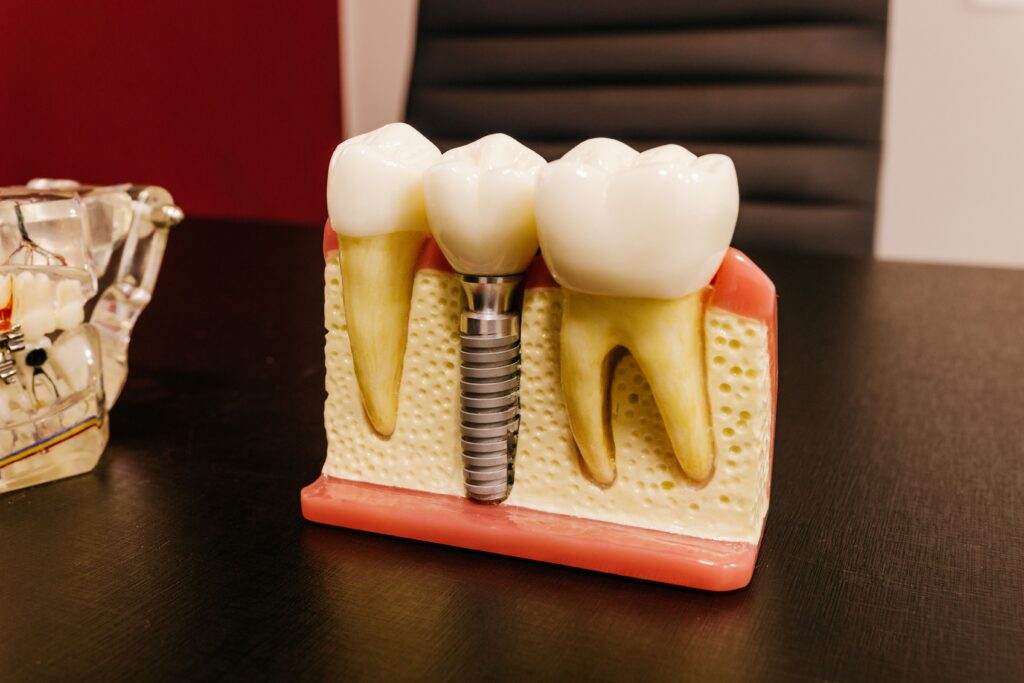
A dental implant is a small post, usually made from titanium, that is surgically placed into the jawbone to act as an artificial tooth root. As the area heals, the bone gradually bonds with the implant through a process called osseointegration.
Once the implant has integrated with the bone, it can support a replacement tooth.
A typical dental implant restoration includes three components:
- Implant post: The part placed in the jawbone that provides support.
- Abutment: A connector that attaches the replacement tooth to the implant.
- Dental crown: The visible part designed to resemble a natural tooth.
The treatment plan may vary depending on the number of missing teeth, the condition of the jawbone, and the patient’s overall oral health.
Why Consider Dental Implants Instead of Other Options?
Dental implants offer several advantages compared with removable dentures and traditional dental bridges.
A natural-looking appearance: Implant-supported crowns are designed to blend with the surrounding teeth. Their shape and colour can be selected to create a natural-looking result.
Improved chewing function: Because implants are anchored in the jawbone, they can provide stable support when eating. This may make chewing more comfortable than with certain removable tooth replacement options.
Support for jawbone health: After losing a tooth, the jawbone in that area may gradually shrink because it no longer receives stimulation from the tooth root. Implants transfer chewing forces to the surrounding bone and can help maintain bone in the implant area.
No need to rely on neighbouring teeth: A traditional dental bridge generally requires support from adjacent teeth. A single-tooth implant can replace a missing tooth without preparing healthy neighbouring teeth for bridge crowns.
A fixed replacement: Once the restoration is completed, the implant-supported tooth stays in place and does not need to be removed for everyday cleaning.
Patients interested in the differences between treatment options can read about the advantages of single-tooth dental implants over alternatives.
Who Is a Suitable Candidate for Dental Implants?
Dental implants can be suitable for adults who have lost one or more teeth and want a fixed replacement option. However, not everyone is immediately ready for implant treatment.
A dentist will assess several factors, including:
- The condition and volume of the jawbone.
- The health of the gums.
- Existing dental infections or untreated cavities.
- Medical conditions and medications that may affect healing.
- Smoking habits and oral hygiene.
- The number and location of missing teeth.
Patients with insufficient jawbone may require a bone graft before implant placement. Gum disease and other oral health concerns may also need treatment first.
A consultation helps determine whether implants are appropriate and what preparation may be required.
What Happens During the Dental Implant Procedure?
Dental implant treatment generally takes place over several stages.
- Initial examination and planning
The dentist examines the teeth and gums, reviews the patient’s medical and dental history, and uses appropriate imaging to assess the jawbone and implant location.
- Implant placement
The implant post is surgically placed into the jawbone under appropriate anaesthesia. The area is then allowed to heal.
- Healing and integration
Over the following months, the jawbone gradually integrates with the implant. Healing time varies from patient to patient and depends on the treatment performed.
- Abutment and crown placement
Once the implant is sufficiently stable, the abutment and custom-made crown are attached to complete the restoration.
The dentist will provide instructions throughout the process to support healing and reduce the risk of complications.
Are Dental Implants Safe?
Dental implants have a well-established history in restorative dentistry and are generally considered a safe and effective treatment for suitable candidates.
However, like any surgical procedure, implant placement carries potential risks. These may include infection, bleeding, nerve irritation, damage to nearby structures, or failure of the implant to integrate with the bone.
The likelihood of complications depends on individual health factors, treatment planning, surgical technique, and aftercare.
Patients can review whether dental implants are safe to understand common concerns and the importance of professional assessment before treatment.
How to Care for Dental Implants After Treatment
Although dental implants cannot develop cavities, the surrounding gums and bone still need proper care. Poor oral hygiene can lead to peri-implant diseases, including inflammation around the implant.
To maintain your restoration:
- Brush twice daily with a soft-bristled toothbrush.
- Clean between your teeth and around the implant every day.
- Use floss or interdental cleaning tools recommended by your dentist.
- Avoid using your teeth to open packaging or bite hard objects.
- Attend regular dental examinations and professional cleanings.
- Follow any additional maintenance instructions provided by your dental team.
For more detailed recommendations, read our dental implant care and maintenance tips for longevity.
How Long Do Dental Implants Last?
Dental implants are designed to provide long-term support, but their lifespan depends on several factors. Good oral hygiene, regular dental visits, healthy gums, and avoiding habits such as smoking can help maintain implant health.
The implant post and the attached crown also have different maintenance requirements. While the implant itself may last many years, the crown may eventually need repair or replacement due to normal wear.
Restore Your Smile with Dental Implants
Dental implants can offer a stable and natural-looking solution for replacing missing teeth. They help restore chewing function, support the jawbone in the treated area, and provide an alternative to removable tooth replacement options.
If you are considering dental implants, an initial dental assessment can help determine your suitability and outline the treatment process. PoCo Dental Group can help you understand your restorative options and make an informed decision based on your oral health needs.
Replacing missing teeth can be an important step towards maintaining a healthy, functional, and confident smile.