



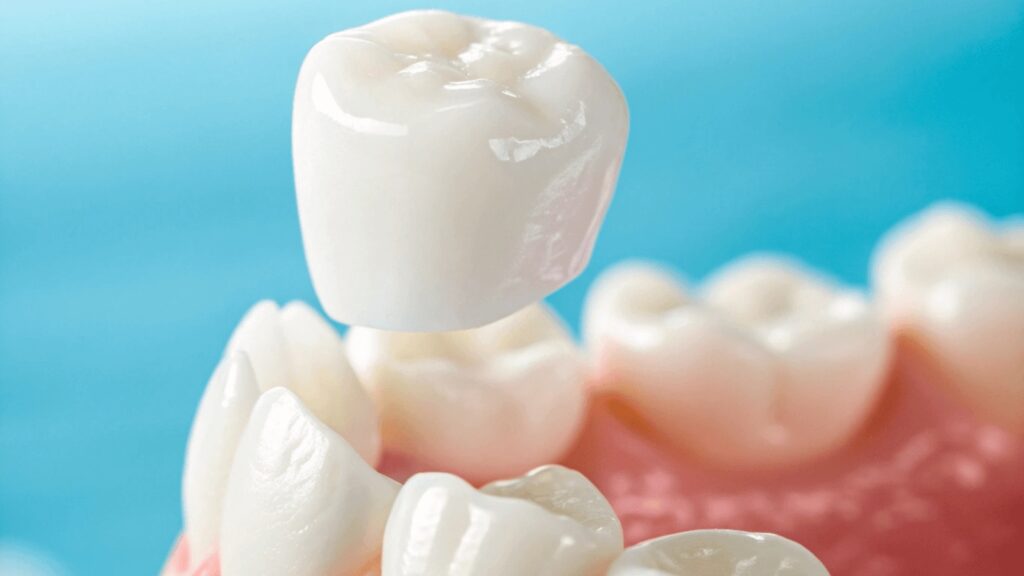
Root canal treatment is a common dental procedure used to save a severely damaged or infected tooth. Many patients who undergo this treatment often delay getting a crown and wonder whether the treated tooth can survive without one. Questions such as what is a root canal, how long does a root canal take, and does root canal hurt are frequently asked by patients who are considering or recovering from this procedure.
Understanding the lifespan of a root canal-treated tooth without a crown is important because it directly affects the long-term health and strength of the tooth.
What Is a Root Canal?
Many patients first ask what is a root canal before agreeing to treatment. A root canal is a dental procedure designed to remove infection from the inside of a tooth. Inside every tooth is a soft tissue known as the pulp, which contains nerves, blood vessels, and connective tissue.
When bacteria enter the pulp due to deep cavities, cracks, trauma, or repeated dental procedures, the pulp can become infected or inflamed. This infection often causes severe pain, swelling, and sensitivity.
During a root canal procedure, the dentist removes the infected pulp, thoroughly cleans the internal canals of the tooth, disinfects the area, and fills the space with a special material. This process eliminates bacteria and preserves the structure of the natural tooth.
How Long Does a Root Canal Last Without a Crown?
A root canal-treated tooth can survive without a crown for a certain period, but it is not considered a long-term solution. The tooth becomes weaker after the pulp is removed because it no longer receives nourishment from the internal tissues.
Without the protection of a crown, the treated tooth may last several months or sometimes a few years, depending on factors such as the location of the tooth, biting pressure, and oral hygiene habits.
Front teeth occasionally last longer without crowns because they experience less chewing pressure. However, molars and premolars, which handle most of the chewing forces, are more likely to crack or break if left unprotected.
Dentists typically recommend placing a crown shortly after root canal therapy because it reinforces the tooth structure and reduces the risk of fracture. With a crown and proper dental care, a root canal-treated tooth can last 10 to 20 years or even longer.
Also read: Best Foods to Eat After Your Root Canal Appointment
Why Teeth Become Weaker After a Root Canal
The pulp inside a natural tooth provides moisture and nourishment that help maintain its flexibility. Once the pulp is removed during root canal treatment, the tooth becomes more brittle.
Several factors contribute to the weakening of a root canal-treated tooth:
- Loss of internal tooth structure due to decay
- Removal of infected pulp tissue
- Reduced moisture within the tooth
- Stress from daily chewing forces
Without a crown, these factors increase the likelihood of tooth fractures over time.
How Long Does a Root Canal Take?
Patients often wonder how long a root canal takes before scheduling treatment. The duration of the procedure varies depending on the tooth involved and the complexity of the infection.
In general, root canal treatments take between 30 minutes and 90 minutes.
Front teeth usually have a single root canal and can often be treated in about an hour. Molars typically have multiple canals and may require a longer appointment or multiple visits.
Modern dental techniques and advanced equipment allow dentists to perform root canal treatments more efficiently than in the past.
Also Read: Root Canal Myths vs. Facts: What You Should Really Know
Does Root Canal Hurt?
A common concern among patients is does the root canal hurt. Root canals have long had a reputation for being painful, but modern dentistry has significantly changed the experience.
Local anesthesia is used during the procedure, which numbs the area and prevents pain. Most patients report that the procedure feels similar to getting a standard dental filling.
The discomfort people often associate with root canals usually comes from the infection inside the tooth before treatment. Removing the infected pulp actually helps relieve that pain.
Some mild soreness or sensitivity may occur for a few days after the procedure, but this is usually temporary and manageable.
Also read: How Long Does Root Canal Treatment Last?
How to Know If I Need a Root Canal
Tooth infections do not always appear suddenly, but there are several signs that help indicate how to know if I need a root canal.
Some of the most common symptoms include:
- Persistent tooth pain
- Sensitivity to hot or cold that lingers
- Pain when chewing or biting
- Swelling or tenderness in the gums
- Darkening of the affected tooth
- A small bump or abscess on the gums
These symptoms often indicate that the pulp inside the tooth is infected or damaged.
How Can You Tell If You Need a Root Canal
Many patients also ask dentists how can you tell if you need a root canal rather than another treatment such as a filling.
Dentists evaluate several factors when diagnosing pulp infection. Dental X-rays help reveal infection inside the tooth roots or surrounding bone. Sensitivity tests and visual examinations also help determine whether the pulp tissue has been compromised.
If the infection has reached the pulp chamber, root canal therapy is typically the most effective way to preserve the natural tooth.
What Not to Eat After a Root Canal
Dietary choices can influence healing after treatment, and many patients want to know what not to eat after a root canal.
Until the final crown is placed, the treated tooth may still be vulnerable to damage. Avoiding certain foods helps reduce the risk of cracks or fractures.
Foods that should generally be avoided include:
- Hard foods such as nuts and ice
- Sticky candies and chewing gum
- Crunchy snacks like chips or popcorn
- Very chewy foods such as caramel
- Hard bread crusts
Soft foods such as yogurt, soup, eggs, pasta, smoothies, and mashed vegetables are easier on the treated tooth during the recovery period.
Does CDCP Cover Root Canals?
Patients enrolled in the Canadian Dental Care Plan often ask if CDCP covers root canals.
The Canadian Dental Care Plan may provide coverage for certain dental treatments, including root canal therapy, if the procedure is considered medically necessary. Coverage depends on eligibility requirements, household income levels, and approval for specific procedures.
Some treatments may require preauthorization, and the level of coverage can vary. Dental clinics typically help patients verify eligibility and explain the portion of treatment costs that may be covered.
Frequently Asked Questions
What is a root canal?
A root canal is a dental treatment that removes infected pulp from inside a tooth, cleans the canals, and seals the tooth to prevent further infection.
How long does a root canal last without a crown?
A root canal-treated tooth may last months or even years without a crown, but the risk of fractures increases significantly without proper protection.
How long does a root canal take?
Most root canal procedures take between 30 and 90 minutes depending on the tooth and complexity of the infection.
Does the root canal hurt?
Root canal treatment is typically painless because local anesthesia is used during the procedure.
How to know if I need a root canal?
Persistent tooth pain, prolonged sensitivity, swelling, or tooth discoloration may indicate the need for a root canal.
How can you tell if you need a root canal?
Dentists determine this through dental examinations, X-rays, and sensitivity tests to identify infection in the pulp.
What not to eat after a root canal?
Hard, crunchy, sticky and chewy foods should be avoided until the tooth is fully restored with a crown.
How much does a root canal cost?
Root canal treatment typically costs between $700 and $2,000 depending on the tooth and complexity of the procedure.
Does CDCP cover root canals?
The Canadian Dental Care Plan may cover root canal treatment for eligible patients, depending on treatment approval and income criteria.
Why is a crown recommended after a root canal?
A crown strengthens the treated tooth, protects it from fractures, and improves long-term durability.
Can a root canal-treated tooth break without a crown?
Yes. Teeth that have undergone root canal therapy become weaker and are more likely to crack without crown protection.
Can a root canal-treated tooth last a lifetime?
When a root canal-treated tooth is properly restored and supported with good oral hygiene and routine dental visits, it can stay healthy and functional for many years and may even last a lifetime.