


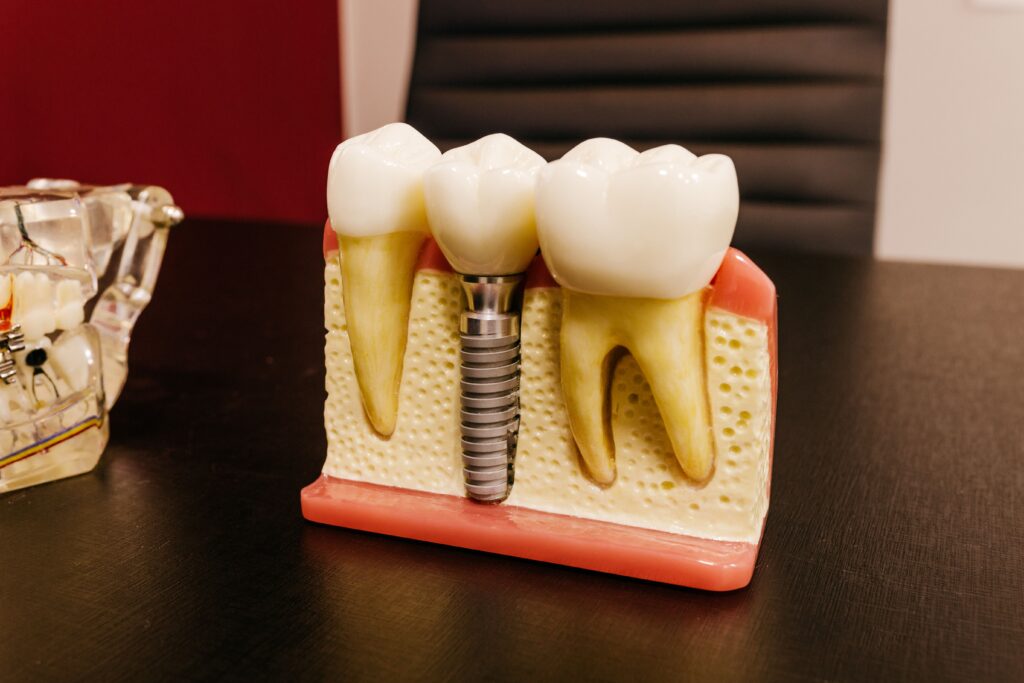
Replacing a missing tooth is a significant decision, and it’s natural to have questions about what the treatment involves. Dental implants are one of the most effective and long-lasting tooth replacement options available today, but many patients are unsure about how the procedure works from start to finish.
The good news is that the dental implant process is carefully planned to ensure the best possible results. Every stage, from the initial consultation to placing the final crown, is designed to restore your smile while promoting long-term oral health.
What Is a Dental Implant?
A dental implant is a small titanium post that replaces the root of a missing tooth. It is surgically placed into the jawbone, where it gradually bonds with the bone through a natural healing process called osseointegration. Once healing is complete, a custom-made dental crown, bridge, or implant-supported denture is attached, creating a replacement tooth that looks, feels, and functions like a natural one.
Step 1: What Happens During the Initial Consultation?
The first step in the dental implant process is a comprehensive consultation with your dentist. This appointment is essential because it determines whether dental implants are the right solution for your oral health needs.
During the consultation, your dentist will perform a thorough examination of your teeth, gums, and jawbone. Digital X-rays and 3D CBCT scans are often taken to evaluate bone density and identify the ideal location for the implant. Your medical history will also be reviewed to ensure you are healthy enough for the procedure.
This visit is also an opportunity to discuss your goals, ask questions, and receive a personalized treatment plan.
Step 2: Is Any Preparatory Treatment Needed?
Not every patient is ready for implant placement immediately. Depending on your oral health, your dentist may recommend additional treatment before moving forward.
For example, if you have gum disease, it will need to be treated first to create a healthy environment for healing. If a damaged tooth cannot be saved, it may need to be extracted. Patients who have experienced significant jawbone loss may require a bone graft to strengthen the area before an implant can be placed.
Although these procedures may add time to the treatment process, they help improve the long-term success of the implant.
Step 3: How Is the Dental Implant Placed?
Once your mouth is ready, the dental implant is surgically placed into the jawbone under local anesthesia. Most patients describe the procedure as being more comfortable than they expected.
During the procedure, your dentist makes a small opening in the gum to access the jawbone. The titanium implant is carefully positioned, and the gum tissue is then closed to allow healing to begin.
The length of the procedure depends on the number of implants being placed, but a single implant is often completed in about one to two hours.
Step 4: What Happens While the Implant Heals?
Healing is one of the most important stages of the dental implant process. Over the next several months, the implant gradually fuses with the jawbone through osseointegration.
This natural process creates a strong foundation capable of supporting a replacement tooth for many years.
Most patients can return to their regular daily activities within a day or two after surgery, although your dentist may recommend eating softer foods while the implant heals. Regular follow-up appointments help ensure everything is progressing as expected.
Step 5: What Is an Abutment and When Is It Placed?
Once the implant has successfully fused with the jawbone, the next step is attaching an abutment.
An abutment is a small connector that joins the implant to the final restoration. During this appointment, your dentist gently reopens the gum tissue to expose the implant and securely attaches the abutment.
The surrounding gum tissue then heals around the abutment over the following weeks, creating a natural-looking foundation for the final tooth.
Step 6: How Is the Permanent Crown Made?
After your gums have healed, impressions or digital scans of your mouth are taken to create your custom dental crown.
The crown is carefully designed to match the colour, shape, and size of your surrounding teeth, ensuring it blends naturally with your smile.
Once the crown is ready, it is securely attached to the abutment. Your dentist will check your bite, make any necessary adjustments, and ensure the restoration feels comfortable before completing the treatment.
How Long Does the Entire Dental Implant Process Take?
One of the most common questions patients ask is how long the treatment takes.
The answer depends on your individual oral health and whether any preparatory procedures are required. While the implant surgery itself is usually completed in a single appointment, the healing process takes time because the implant must fully integrate with the jawbone.
For many patients, the complete treatment takes approximately three to six months. However, those requiring bone grafting or multiple implants may have a longer treatment timeline.
Although the process requires patience, the long-lasting results make it worthwhile.
Is the Dental Implant Procedure Painful?
Many people worry that dental implant surgery will be painful, but most patients report only mild discomfort.
Local anesthesia keeps you comfortable during the procedure, and any soreness afterward can usually be managed with prescribed or over-the-counter pain medication. Mild swelling and tenderness are common for the first few days and gradually improve as healing progresses.
Most patients are pleasantly surprised by how manageable the recovery is.
How Do You Care for Dental Implants After Treatment?
Dental implants require regular care to maintain their health and longevity. Fortunately, caring for an implant is very similar to caring for your natural teeth.
Daily brushing, flossing, and routine dental checkups help keep the surrounding gums healthy and reduce the risk of complications. Avoiding tobacco products and maintaining good overall oral hygiene also contribute to the long-term success of your implants.
With proper care, dental implants can provide reliable function and an attractive smile for decades.
Why Do So Many Patients Choose Dental Implants?
Dental implants offer several advantages over traditional bridges and removable dentures. They provide exceptional stability, restore chewing ability, improve speech, and help preserve the jawbone by replacing the missing tooth root.
Because implants look and function like natural teeth, they also restore confidence when eating, speaking, and smiling. For many patients, they represent a long-term investment in both oral health and quality of life.
Restore Your Smile with PoCo Dental Group
If you’re considering dental implants, PoCo Dental Group is here to guide you through every stage of the process. Our experienced team uses advanced technology to carefully plan your treatment and provide personalized care from your initial consultation to the placement of your final restoration. Whether you’re replacing one tooth or several, we’re committed to helping you achieve a healthy, confident smile.
Book your dental implant consultation with PoCo Dental Group today and take the first step toward a lasting solution for missing teeth.