



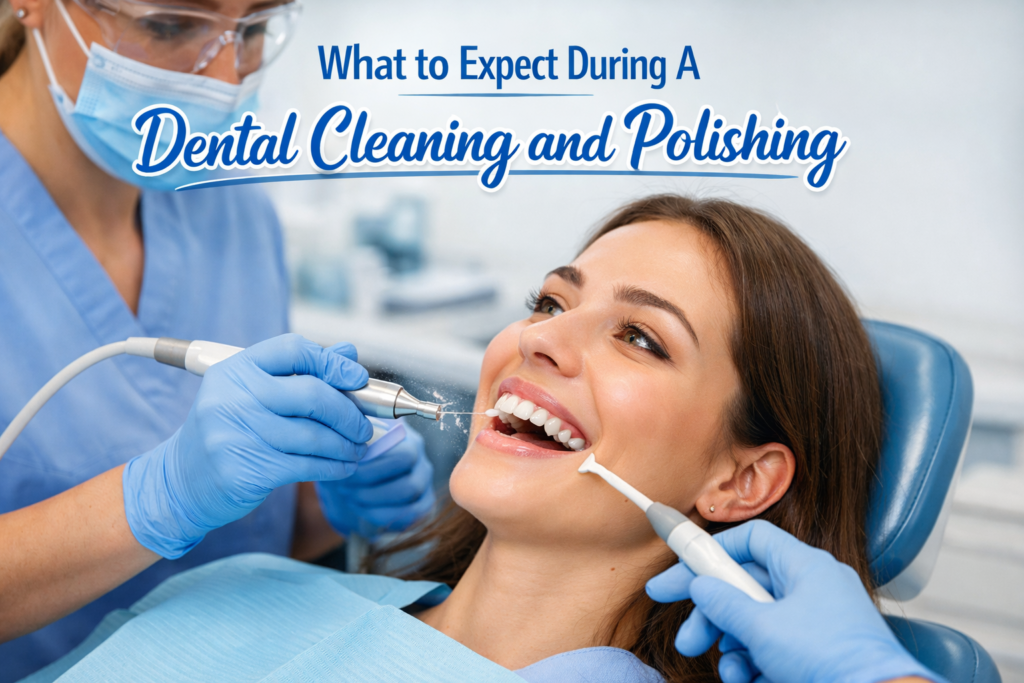
Maintaining good oral hygiene is essential for a healthy smile, and professional dental cleanings play a critical role. Even with regular brushing and flossing, plaque and tartar can build up in areas that are hard to reach. Dental cleaning and polishing are preventive procedures that help keep teeth healthy, prevent gum disease, and maintain a bright, confident smile. Understanding what to expect during a dental cleaning can help reduce anxiety and prepare you for a smooth visit.
The Importance of Dental Cleaning
A dental cleaning, also known as prophylaxis, is a preventive procedure performed by a dental hygienist or dentist. Its primary purpose is to remove plaque, tartar, and surface stains that accumulate on the teeth. Regular cleanings offer several benefits:
- Prevention of Gum Disease: Plaque buildup can lead to gingivitis and, if untreated, periodontitis. Professional cleanings remove plaque before it causes damage.
- Cavity Prevention: Removing tartar reduces the risk of cavities and tooth decay.
- Fresher Breath: Cleaning eliminates bacteria that cause bad breath.
- Bright Smile: Polishing removes surface stains, restoring the natural shine of your teeth.
- Early Detection of Problems: During the cleaning, the dentist or hygienist can identify early signs of dental issues such as cavities, cracks, or gum problems.
Routine dental cleaning is generally recommended every six months, although the frequency may vary depending on individual oral health needs.
Also read: What Are Cavities?
What Happens During a Dental Cleaning
A dental cleaning typically involves several steps, each designed to ensure thorough care and comfort.
1. Initial Examination
Before starting the cleaning, the dental hygienist will perform a quick examination of your mouth. This may include:
- Checking your teeth and gums for signs of gum disease, cavities, or other dental issues.
- Assessing the condition of existing dental work, such as fillings or crowns.
- Discussing any concerns you may have, such as tooth sensitivity or discomfort.
This initial assessment helps the hygienist determine the best approach for your cleaning.
2. Scaling: Removing Plaque and Tartar
The first step of the cleaning process is scaling, which removes plaque and tartar buildup on the teeth and along the gumline. Plaque is a soft, sticky film of bacteria that can harden into tartar if not removed.
- Manual Scaling: The hygienist may use handheld instruments called scalers to carefully remove tartar from the tooth surfaces and between the teeth.
- Ultrasonic Scaling: Some dental offices use ultrasonic tools that use vibrations and water to break up plaque and tartar efficiently.
This process is thorough and may take time depending on the amount of buildup. Scaling helps prevent cavities, gum disease, and tooth sensitivity caused by tartar buildup.
3. Tooth Polishing
After scaling, the hygienist will polish your teeth to remove surface stains and smooth the tooth enamel. Polishing is typically done with a slow-speed dental handpiece and a special polishing paste that gently buffs the teeth.
- Benefits of Polishing:
- Removes minor stains caused by coffee, tea, or tobacco.
- Smooths tooth surfaces, making it harder for plaque to accumulate.
- Leave your teeth feeling clean and smooth.
Polishing is a comfortable procedure, and most patients find it relaxing.
4. Flossing
Flossing is an essential part of dental cleaning that ensures no debris or plaque is left between teeth. The hygienist carefully flosses each tooth to remove hidden buildup that brushing alone cannot reach. Flossing also helps maintain healthy gums by preventing inflammation and irritation.
5. Rinsing and Fluoride Treatment
After scaling, polishing, and flossing, your mouth will be rinsed to remove any remaining debris. Some dental practices offer a fluoride treatment at the end of the cleaning:
- Fluoride Application: This protective coating strengthens enamel, making teeth more resistant to decay and cavities.
- Benefits: Fluoride can help prevent tooth decay, especially in patients prone to cavities, and provides long-lasting protection.
Fluoride treatments are quick, painless, and highly beneficial for maintaining oral health.
Also read: Are Mouth Sprays Effective for Bad Breath and Dry Mouth?
How Long Does a Dental Cleaning Take?
A standard dental cleaning typically takes 30 to 60 minutes, depending on the condition of your teeth and the presence of tartar or plaque buildup. Patients with more extensive buildup or underlying dental issues may require a slightly longer appointment.
Comfort and Safety During the Procedure
Dental cleanings are generally safe and well-tolerated. However, some patients may experience mild sensitivity, especially if they have gum inflammation or enamel erosion. Modern dental tools and techniques make the process efficient and comfortable, and your hygienist will take care to minimize discomfort.
For patients who experience anxiety or sensitivity, it is important to communicate with the dental team. They can offer strategies such as:
- Using a gentle touch during scaling and polishing.
- Applying desensitizing gel if necessary.
- Providing breaks during the procedure to ensure comfort.
Aftercare Following a Dental Cleaning
Following a professional cleaning, it is normal to experience temporary mild sensitivity, especially to hot or cold foods and beverages. Maintaining proper oral hygiene after your cleaning will help preserve the results:
- Brush twice a day with fluoride toothpaste.
- Floss daily to prevent plaque buildup between teeth.
- Use an antibacterial mouthwash if recommended by your dentist.
- Avoid staining foods and drinks immediately after cleaning for optimal results.
Regular dental cleanings combined with daily oral care routines contribute to long-term dental health and a bright smile.
Signs You Should Schedule a Dental Cleaning
Even if you brush and floss regularly, professional cleanings are necessary to remove hidden plaque and tartar. You should schedule a dental cleaning if you notice:
- Persistent bad breath.
- Bleeding or swollen gums.
- Visible tartar buildup.
- Tooth sensitivity or discomfort.
Routine dental visits are preventive and can save you from more extensive procedures in the future.
Also read: What to Eat and What to Avoid After a Tooth Extraction
Choosing the Right Dental Practice
Selecting a trusted dental practice ensures you receive high-quality care in a comfortable environment. Experienced dental teams use modern equipment and follow best practices to maintain patient safety and comfort.
A professional dental clinic also provides personalized guidance on oral hygiene, diet, and home care to maintain the results of your cleaning.
Final Thoughts
Dental cleaning and polishing are vital components of oral health. By removing plaque, tartar and stains, these procedures help prevent cavities, gum disease and other dental issues while keeping your smile bright and healthy. Understanding what to expect during a cleaning can reduce anxiety and help you prepare for a positive experience.
For individuals looking for reliable, professional dental care, we provide comprehensive dental cleaning and polishing services. Our experienced team ensures each visit is thorough, comfortable and tailored to your needs. Book an appointment with us today and take the first step toward a healthier, brighter smile.