
Losing one or more teeth can affect your confidence, make it harder to eat your favourite foods, and impact your overall oral health. Fortunately, dental implants have become one of the most reliable and natural-looking solutions for replacing missing teeth. Unlike traditional dentures or bridges, implants are designed to function like natural tooth roots, providing exceptional stability while helping preserve the jawbone.
Although dental implants are suitable for many people, the treatment is not the same for everyone. A dentist will evaluate several factors before recommending implants to ensure they are the best long-term solution for your smile.
What Are Dental Implants?
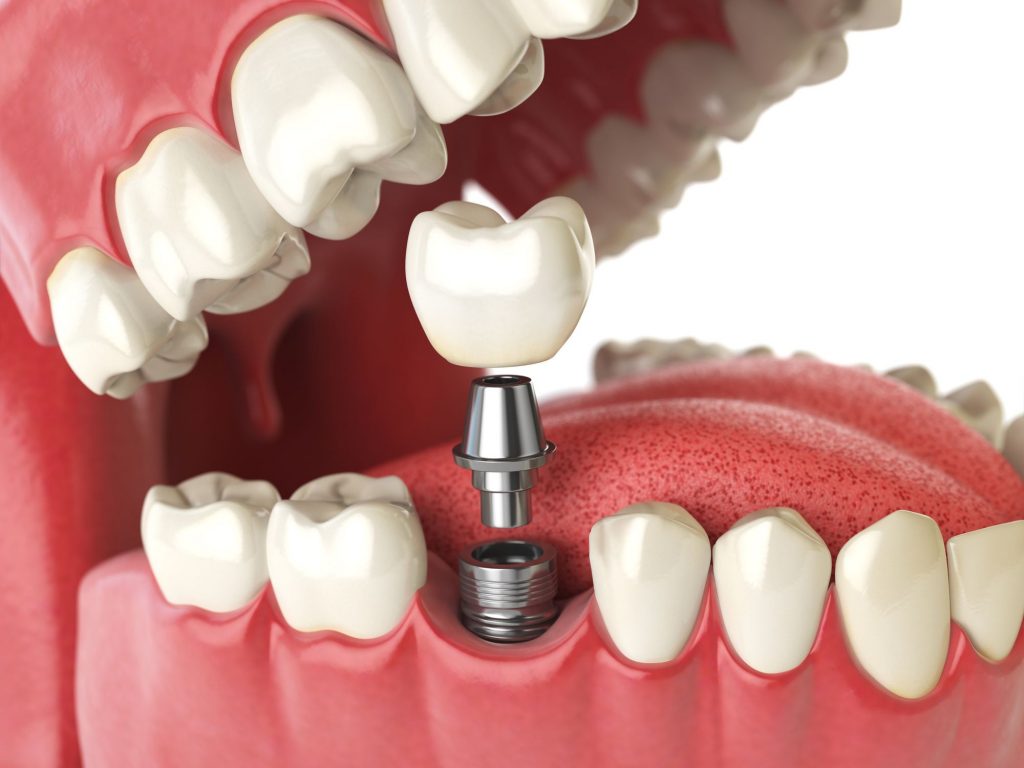
Dental implants are small titanium posts that are surgically placed into the jawbone to replace the roots of missing teeth. As the implant heals, it fuses with the surrounding bone through a natural process called osseointegration. Once healing is complete, a custom-made dental crown, bridge, or implant-supported denture is attached to restore the appearance and function of your smile.
Because implants become securely anchored in the jawbone, they offer excellent stability and can last for many years with proper care.
Signs You May Be a Good Candidate for Dental Implants
You Have One or More Missing Teeth
One of the most common reasons patients choose dental implants is to replace missing teeth. Whether you’ve lost a tooth because of severe decay, gum disease, injury, or another dental condition, an implant can restore both function and appearance. Dental implants are versatile enough to replace a single tooth, several missing teeth, or even a full arch using implant-supported dentures.
Replacing missing teeth sooner rather than later is often beneficial because prolonged tooth loss can lead to changes in your bite and gradual jawbone deterioration.
Your Gums Are Healthy
Healthy gums create the foundation for successful implant treatment. If you have active gum disease or an untreated infection, your dentist will usually recommend addressing these issues before placing an implant. Healthy gum tissue supports healing after surgery and helps reduce the risk of complications in the future.
If periodontal disease is detected during your examination, treatment can often restore gum health and prepare your mouth for implant placement.
You Have Adequate Jawbone Support
Since dental implants are placed directly into the jawbone, sufficient bone density is necessary to hold them securely. When a tooth has been missing for a long period, the jawbone in that area can begin to shrink because it no longer receives stimulation from the tooth root.
Modern dental technology allows dentists to evaluate bone quality using advanced 3D imaging. Even if some bone loss has occurred, procedures such as bone grafting may rebuild the area and make dental implants possible for many patients.
You Maintain Good Oral Hygiene
Dental implants require the same daily care as natural teeth. Brushing, flossing, and attending regular dental checkups play an important role in protecting both your implants and the surrounding gum tissue.
Patients who are committed to maintaining good oral hygiene typically experience excellent long-term implant success. Proper care also helps prevent infections that could affect the health of the implant over time.
Your Overall Health Supports Healing
Most healthy adults are suitable candidates for dental implants. During your consultation, your dentist will review your medical history to ensure your body can heal properly after the procedure.
Certain medical conditions, such as uncontrolled diabetes or autoimmune disorders, may require additional planning before treatment begins. However, these conditions do not automatically prevent someone from receiving dental implants. Many patients with chronic health conditions successfully undergo implant treatment with the proper precautions and ongoing medical management.
You Don’t Smoke or Are Willing to Quit
Smoking can significantly affect the healing process after dental implant surgery. It reduces blood flow to the gums, slows recovery, and increases the risk of implant failure.
Patients who smoke are often encouraged to quit before surgery and throughout the healing period. Even reducing or stopping tobacco use temporarily can greatly improve the likelihood of successful treatment.
Your Jawbone Has Fully Developed
Dental implants are generally recommended for adults whose jawbones have completed their growth. Younger patients whose jaws are still developing may need to wait until facial growth is complete before implants can be safely placed.
Your dentist can determine whether your jaw has fully matured through clinical examination and imaging.
When Additional Treatment May Be Needed
Being told you’re not immediately ready for dental implants doesn’t necessarily mean implants are no longer an option. Many patients simply require some preparatory treatment before moving forward.
For example, gum disease may need to be treated to create a healthier environment for healing. Patients who have experienced significant bone loss may benefit from bone grafting to strengthen the jaw. In other cases, severely damaged teeth may need to be removed before implant placement.
These additional procedures are designed to improve the long-term success of your implants rather than prevent you from receiving them.
How Dentists Determine Implant Eligibility
Every dental implant treatment begins with a comprehensive consultation. Your dentist will carefully examine your teeth, gums, bite, and jawbone before recommending a treatment plan.
Digital X-rays and 3D CBCT scans provide detailed images of your bone structure, allowing your dentist to determine the safest and most effective implant placement. Your medical history, lifestyle habits, and oral health goals are also considered to ensure the treatment is tailored to your individual needs.
This thorough planning process helps maximize the long-term success of your dental implants.
Benefits of Dental Implants
Dental implants are considered the gold standard for tooth replacement because they restore both appearance and function while supporting long-term oral health.
Some of the key benefits include:
- A natural-looking smile
- Improved chewing ability
- Better speech
- Long-lasting durability
- Prevention of jawbone loss
- Increased comfort compared to removable dentures
- Better confidence in everyday life
Unlike traditional bridges, implants do not require neighbouring healthy teeth to be altered, making them a more conservative treatment option in many cases.
Is There an Age Limit for Dental Implants?
Many people assume dental implants are only suitable for younger adults, but this is not the case. Age alone rarely determines whether someone is a good candidate. In fact, many adults in their 60s, 70s, and even 80s successfully receive dental implants every year.
As long as your overall health is stable and your jawbone can adequately support the implant, age is generally not a barrier. Your dentist will evaluate your individual health rather than focusing on your age.
Replace Missing Teeth with Confidence at PoCo Dental Group
If you’re considering dental implants, the experienced team at PoCo Dental Group is here to help. We provide comprehensive implant consultations using advanced diagnostic technology to determine whether dental implants are the right solution for your smile. From your initial evaluation to your final restoration, our team is committed to providing personalized, compassionate care every step of the way.
Book your consultation with PoCo Dental Group today and take the first step toward restoring your smile with a long-lasting, natural-looking solution.